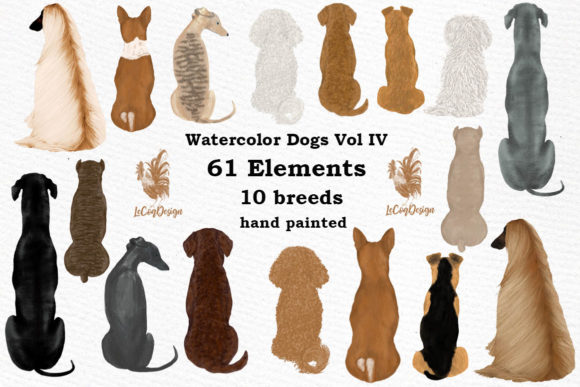
Dog Clipart Illustrations
First Impressions and Editorial Mood
The first time I saw Dog Clipart, I was struck by its clean lines and approachable style. It feels modern yet friendly, perfect for content that needs to be both professional and inviting. This graphic design asset has a light, playful tone that can easily shift between lifestyle, educational, or seasonal themes depending on how it's used. Its versatility makes it ideal for bloggers, content creators, and small business owners looking to enhance their visual storytelling.
Visual Communication and Brand Identity
Dog Clipart is more than just an image—it's a tool for visual communication. When integrated into editorial design, it helps reinforce brand identity and creates a cohesive look across all publishing platforms. Whether used in a blog header, newsletter banner, or social media post, this illustration supports the visual hierarchy of your content and strengthens the overall brand presence.
The asset’s simplicity allows it to blend seamlessly with different design styles. It works well with both minimal and bold layouts, making it adaptable for various content marketing strategies. For digital publishers, this means fewer design assets are needed to maintain consistency across multiple channels.
Real Publishing Use Cases
Dog Clipart is a valuable addition to any content creator’s toolkit. It can be used in a variety of real-world publishing scenarios such as:
- Blog Featured Images: A strong visual anchor for articles about pet care, dog training, or lifestyle topics.
- Pinterest Pins: Enhances discoverability with eye-catching graphics that align with trending content.
- Article Headers: Adds visual interest while maintaining a clean and professional layout.
- Website Banners: Supports promotional content with a friendly and approachable aesthetic.
- Editorial Layouts: Acts as an accent or focal point within content pages.
- Newsletter Graphics: Improves engagement with visually appealing headers and section dividers.
- Lead Magnets: Adds value to downloadable resources like worksheets, guides, or printables.
- Canva Templates: Offers flexibility for quick design updates without requiring advanced skills.
Supporting Content Performance
Using Dog Clipart can significantly improve content performance. The asset contributes to stronger first impressions, clearer visual hierarchy, and better click-through potential. Its consistent style helps build reader trust and improves category recognition, which is especially important for affiliate marketers and online educators.
Additionally, Dog Clipart supports a stronger visual identity, making your content look more professional and polished. This is crucial for websites that rely on user-generated content, digital downloads, or paid products where branding plays a key role in conversion rates.
Where It Works Best
Dog Clipart excels in areas where visual appeal meets usability. It works best as:
- Hero Images: Draws attention immediately and sets the tone for the page.
- Article Thumbnails: Increases click-through rates on search engines and social media.
- Pinterest Pins: Enhances discoverability and engagement on visual platforms.
- Blog Graphics: Adds visual variety to content without overwhelming the reader.
- Editorial Accents: Provides subtle design support without distracting from the main content.
- Content Upgrades: Elevates downloadable resources with a polished and professional look.
- Category Visuals: Helps organize content and guide user navigation effectively.
- Social Media Previews: Improves click-through rates and engagement on platforms like Facebook and Instagram.
Where to Use with Caution
While Dog Clipart is versatile, there are situations where it may not be the best choice. It should be used carefully in:
- Small Mobile Thumbnails: May appear too large or lose detail on smaller screens.
- Text-Heavy Blog Images: Could compete with or distract from the main content.
- Low-Contrast Backgrounds: Might reduce readability or visual impact.
- BUSY Layouts: Can create clutter if not placed strategically.
- Serious Professional Niches: May feel too playful for corporate or academic content.
- Corporate Content: Should be used sparingly to avoid appearing unprofessional.
- Websites with Minimal Visual Systems: May disrupt the clean, uncluttered look of some brands.
Publisher Notes and Best Practices
Before using Dog Clipart in your projects, consider these practical tips:
- Test on Desktop and Mobile Screens: Ensure it looks good across all devices.
- Check Thumbnail Size: Preview how it appears in search engine results and social feeds.
- Preview in Real Blog Layouts: See how it integrates with your existing design system.
- Test with Headline Text: Make sure the combination is visually balanced and readable.
- Check Contrast and Readability: Ensure text and images work together without competing.
- Try in Black and White: Confirm it maintains visual appeal without color.
- Place Beside Different Font Styles: Test compatibility with serif, sans serif, script, and display fonts.
- Review File Size: Optimize for web performance without sacrificing quality.
- Compress Images Properly: Maintain high resolution while keeping file sizes manageable.
- Confirm Commercial Licensing: Ensure you have the right to use it on monetized websites, affiliate pages, or paid content products.
Conclusion
Dog Clipart is a powerful graphic design asset that enhances visual communication and supports content marketing efforts. Whether you're building a blog, creating digital guides, or designing printable resources, this illustration offers a flexible and stylish solution. By understanding its strengths and limitations, you can make informed decisions that elevate your editorial design, website branding, and overall content presentation.