Male Clipart
A First Look at the Design
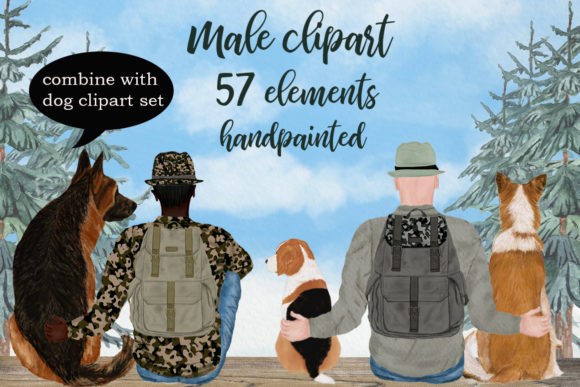
Male Clipart arrives with a clean, straightforward presence that immediately suggests versatility. The design is simple in form, yet carries a subtle personality that feels approachable and modern. It’s not overly detailed, which makes it ideal for those who prefer minimalism or want to focus on the overall composition of their embroidery project.
The silhouette is clearly defined, with smooth lines and a balanced proportion that gives it a friendly, almost cartoonish feel. This kind of visual tone works well for casual wear, personalized gifts, and even children’s items. It doesn’t scream “embroidered art,” but rather offers a soft, recognizable shape that can be easily adapted into various contexts.
Real-Life Use Case: Custom Tote Bag Embroidery
Imagine you're preparing a custom tote bag for a local craft fair. You’ve chosen Male Clipart as the central design. The simplicity of the clipart allows it to stand out without overwhelming the bag’s surface. Its neutral tone makes it easy to pair with different color schemes, whether you’re going for a vintage look or something more contemporary.
When stitched, the design maintains its clarity, which is crucial for maintaining visual appeal. The lack of intricate details means there are fewer chances of stitch errors, making it a reliable choice for both beginners and experienced embroiderers alike. However, it's important to note that while the design is clean, it may not provide enough visual interest for high-end commercial projects unless paired with additional elements.
Performance in Real Embroidery Situations
Male Clipart performs well in a variety of embroidery applications, from custom apparel to holiday gifts. On a sweatshirt or t-shirt, it adds a touch of personality without being too busy. For baby clothes, the design’s simplicity ensures it remains legible and safe, avoiding any potential issues with small details.
On a cap or hat, the design fits naturally due to its compact size and clear outline. However, it’s worth considering how it might look on curved surfaces—while it holds up reasonably well, the edges can sometimes appear slightly distorted if the hoop isn’t perfectly aligned. A quick test on scrap fabric before committing to a final product is always recommended.
For embroidered patches or aprons, the design’s simplicity shines. It provides a professional finish without requiring excessive time or skill. When used on a pillow cover or tea towel, it blends seamlessly with the fabric texture, offering a subtle decorative element that complements rather than competes with the background.
Where to Be Cautious
While Male Clipart is versatile, it’s not without its limitations. In smaller hoop sizes, the design can become compressed, leading to loss of detail and clarity. This makes it less suitable for projects where precision is key, such as intricate applique designs or detailed embroidery patterns.
On textured fabrics or thin materials, the design may not stitch as cleanly, especially in areas with dense stitch coverage. Dark fabrics can also reduce the contrast between the design and the background, making it harder to see the finished product. It’s always a good idea to test the design in black and white mockups before proceeding with a full project.
Additionally, the design may not work well on stretchy fabrics or layered garments, where movement can cause the stitching to shift slightly. For products that require frequent washing, like baby clothes or kitchen towels, the durability of the design should be considered carefully.
Design Impact and Practical Considerations
Male Clipart has a positive impact on the visual appeal of a finished product. Its clean lines and neutral tone make it adaptable to many styles and audiences. From a customer perspective, the design is easy to recognize and understand, which enhances giftability and brand consistency.
For handmade products, the design adds a level of professionalism without sacrificing creativity. It’s an excellent choice for Etsy sellers and small shop owners looking to maintain a cohesive brand identity. However, it’s important to ensure that the design aligns with your target audience and brand values before using it commercially.
When considering licensing, always confirm the terms before selling finished items or digital products. While the design itself is straightforward, the legal aspects of using it in a commercial context can vary significantly depending on the source.
Practical Designer Notes
Before using Male Clipart in a real project, take the time to test it on scrap fabric. Check thread color contrast to ensure visibility, and review stitch density to avoid over-stitching or under-stitching. Confirm the hoop size required and use proper stabilizer to prevent shifting during stitching.
Inspect small details closely, especially in areas with tight corners or tiny lettering. Test the design in black and white mockups to see how it looks in different lighting conditions. Compare it against light and dark fabric backgrounds to determine the best fit for your project.
Finally, consider whether the design works for both personal and commercial projects. If you plan to sell the finished product, make sure you have the appropriate rights and licenses in place. With these considerations in mind, Male Clipart can be a valuable asset in your embroidery toolkit.